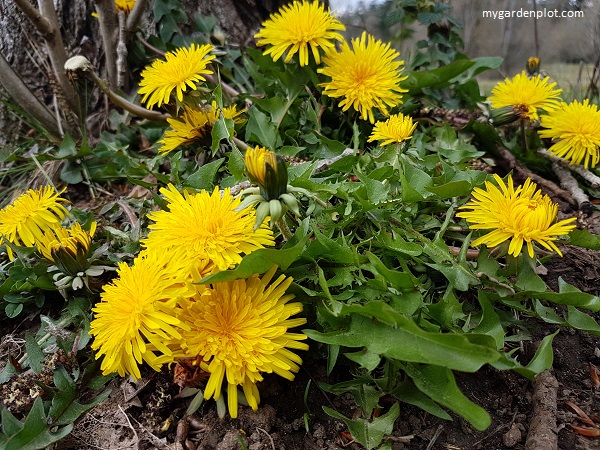
Remove and Prevent Weeds Naturally: 5 Chemical-Free Gardening Tips
Weeding is a timeless garden chore. While it can feel endless in the spring, consistent, natural management is the key to long-term control and a healthier garden. By mid-summer, a well-maintained garden will have far fewer weeds, allowing you to spend more time enjoying your space rather than working in it.
The ultimate goal is effective weed removal and prevention using safe, eco-friendly, and cost-effective methods—without resorting to harmful chemical herbicides. Whether you’re tackling a few persistent invaders or renovating a neglected bed, here are five proven, chemical-free strategies for effective weed control. Staying on top of weed growth and prevention is a timesaver in the long run.
Defeating Weeds Naturally:
1. Embrace the “Pull and Smother” Method
The simplest rule is to remove weeds as soon as you see them, before they flower and set seed. For best results, pull weeds after rain or watering, when the soil is soft and roots release easily. Immediately after pulling, smother the area with a layer of mulch or compost to block light and prevent new weeds from taking root.
2. Mulch, Mulch, Mulch
Mulch is your most powerful ally in weed prevention. A 2-3 inch layer of organic mulch (like wood chips, straw, or shredded leaves) blocks sunlight, suppresses weed germination, and retains soil moisture. As it breaks down, it also enriches your soil, giving your desired plants a competitive edge.
3. Try Natural Weed-Killing Solutions
For weeds in patios, driveways, or garden cracks, natural herbicides are effective. A common recipe is a mixture of 1 gallon of white vinegar, 1 cup of table salt, and a tablespoon of dish soap. Apply carefully on a sunny day, as this solution will harm any plant it touches. Boiling water is also a highly effective, immediate solution for killing weeds in non-garden areas.
4. Practice Strategic Planting
Don’t leave bare soil exposed. Plant densely with ground covers, perennials, or vegetables so foliage shades the soil, naturally inhibiting weed growth. Using “living mulch,” like clover or creeping thyme, can beautifully fill spaces and outcompete weeds.
5. Maintain Soil Health
Healthy soil grows strong plants that can outcompete weeds. Regularly amend your soil with compost to improve its structure and fertility. A thriving garden ecosystem is your best long-term defense against weed infestations.
Conclusion: By integrating these chemical-free tips—consistent removal, strategic mulching, natural solutions, dense planting, and soil health—you transform weeding from a relentless chore into a manageable part of your gardening routine. This approach saves time, protects the environment, and leads to a more vibrant, sustainable garden.
FAQ: Chemical-Free Weed Control
Q: What is the most effective natural weed killer?
A: A vinegar, salt, and soap solution is highly effective for spot treatment on patios and paths. For garden beds, consistent hand-pulling and mulching are the safest and best methods.
Q: How does mulching prevent weeds?
A: Mulch acts as a physical barrier, blocking sunlight from reaching weed seeds. It also conserves soil moisture and improves soil health as it decomposes.
Q: When is the best time to weed?
A: Weed after rain or watering, when the soil is moist. This allows you to remove the entire root system easily, preventing regrowth.
Q: Can I prevent weeds without any chemicals?
A: Absolutely. A combination of the methods above—especially mulching and maintaining healthy, densely planted soil—provides powerful, long-term weed prevention without any chemicals.
Understanding Weed Types: Tackling Annual Vs Perennial Weeds
Weeds are just plants growing in the wrong place, right? After all, many weeds are also beneficial in sustaining bee colonies. But for our task in hand, identifying weeds and how best to tackle them is also part of the equation. Understanding the different weed types and how to tackle them is important. So what are annual or perennial weeds?
Annual weeds, which make up about 80% of weeds, survive only one life cycle during a season. Once growth is completed, they spread by seeding. The seeds can lie dormant for many years until the conditions are right again for growing. To control annual weeds, you need to remove them as seedlings before they mature and seed. The idea here is to stop seed formation and thus prevent new weeds from sprouting. However, keep in mind that even though you are most diligent in removing annual weeds, some seeds can be airborne or come to your garden via a host like a bird, pet and even you.
For perennial (or biennial) weeds, you need to, literally, ‘dig a little deeper’ to ensure the root system is completely removed, such as dandelions or horsetail. Or they just keep on returning in your garden. And some spread too by seed. So while perennial weeds may seem percentage-wise the minority, they are the type that are tiresomely tenacious and once established in your garden, weeding becomes an ongoing task. Something few of us escape from. However, there are various ways to remove these correctly and with ongoing weeding management, you can reduce the number of perennial weeds growing in your garden.
With this in mind, we can approach weed control through removal and prevention as best as possible.
Oldest Weeding Methods: By Hand And By Hoe
There is no escaping that weeding by hand is needed for individual weeds or smaller areas of annual weeds, whether, tilling, pulling or digging them out. Weeding by hand is the only way to remove weeds growing close to your plants. Sometimes getting on your knees is required, but there are also long-handled weeding tools to help with the weeding job standing up. Identifying the weed and their persistence will go a long way in controlling them, of course. For instance, getting those dandelions out is best done with a dandelion weeder, which is like a long screwdriver with a forked end. It is very satisfying pulling the dandelion out with its root intact.
Other weeding tools include garden hoes, weeding rakes and tillers. In particular, the stirrup hoe is a favourite on our list of weeding tools. This hoe has a hinged double-edged blade that works by removing weeds with a back and forth motion. Pushing the stirrup blade forward over the weeds and pulling back with bite means you can remove annual weeds with little soil disturbance. However, there are times tilling is preferred. But there are drawbacks as it can bring up buried weed seeds which may encourage germination. Usually a combination of tilling and digging may be needed for some perennial weeds.
See more information on what is needed for gardening jobs: Essential List Of Garden Tools
Soil Solarization: Black Plastic Sheets
Using black plastic sheets for weeding an area with substantial weed growth is very effective. This control method is referred to as solarizing as it uses solar power by way of increasing the sun’s heat to burn out the weeds. This is best done during summer, for at least four to six weeks, when the sun’s heat is strongest, intensifying under the black plastic sheets to a degree where the weeds are killed. The process is slower but successful in killing weeds, their root system and plant diseases that may lie dormant in the soil. In effect, it is like sterilizing the soil using the energy from the sun. Unfortunately, it does kill beneficial bugs too. After solarizing is completed, adding a rich compost layer will help restore the soil condition and get this garden area back in shape and ready for planting vegetables or ornamental plants again.
See steps for solarizing a neglected garden bed: Controlling Weeds By Solarizing
Mulching For Smothering Weeds: Organic Matter And Biodegradable Materials
Mulch is a layer of organic matter or biodegradable materials placed on the soil surface. This is an effective way to control weeds. Adding organic mulch is generally done in early spring just before weeds start to surface. It is effective for annual weed control. It acts in two ways, suppressing weed growth and later, as it breaks down, it further conditions your soil making it more fertile. Perennial weeds may need another level of mulching to suppress growth. Adding a layer of biodegradable materials such as newspapers or cardboard, and covering with organic mulch or compost, is an effective weed control method for more stubborn perennial weeds.
See more information about using biodegradable material in your garden: Paper and Cardboard Mulch for Weed Control
Vinegar, Boiling Water, And Homemade Weed Spray
Putting vinegar on a plant, aka weed, will kill it. It will also alter the soil condition. So always evaluate all your other options first. This method is most effective when applied directly to the weed on a sunny day. Ensure that the vinegar does not spread to your plants. Only use vinegar on weeds growing in cracks of a pavement, driveway, concrete or gravel paths, where contact with good plants is limited.
Alternatively, a home-made weed spray solution made of white vinegar (4 parts), lemon juice concentrate (1/2 part), and environmentally-friendly liquid dishwashing soap (1/4 part), mixed together, can help burn the weed growth. Using a pump sprayer, this solution needs to be applied directly to the weed and away from good plants. Do not use this vinegar solution to kill weeds growing in a lawn as it will kill the grass too.
Boiling water is another option for spot treatment on weeds growing in cracks in the driveway or paved areas. Like vinegar above, it will harm all plants, and therefore not recommended for killing weeds growing in garden beds. The oldest method of control by hand weeding is best for spot treatments where your desired plants are growing in your garden bed.
Torching Weeds
It goes without saying that extreme caution is needed if you wish to burn off the top growth using a propane torch. It was once a popular control method but not used so much now. We are adding this method to the list as our neighbour still uses this approach on his driveway. This is something that generally is only suggested for stubborn weeds growing in cracks in a paved or concreted area. And only to be considered if all other options have failed. Needless to say that using this method on a non-windy day is essential, as well as consideration about flammable and nearby non-fire resistant surfaces should be taken into account and removed. Any nearby plants or grass may also be affected and likely killed too.
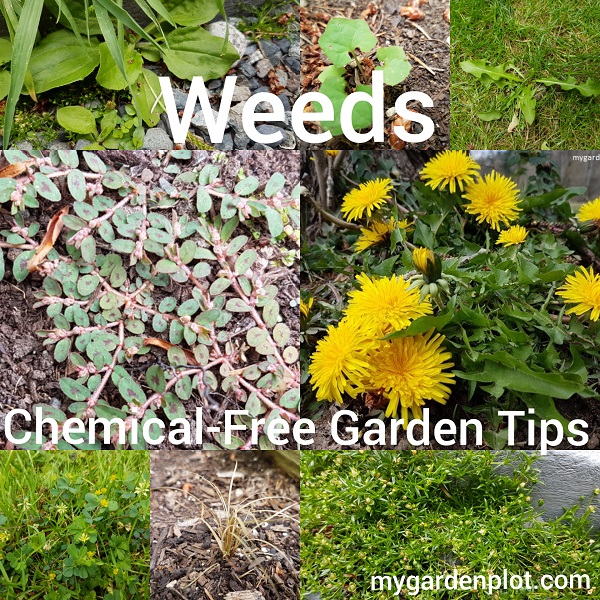
Summary: Weed Removal Tips
Here is a summary of the key points for chemical-free weed removal and prevention.
Core Principle: Stay on top of weeding to save time in the long run. Use chemical weed killers only as a last resort.
1. Know Your Weeds:
- Annual Weeds (at least 80% of weeds): Live one season, spread by seeds. Remove them as seedlings before they seed to break their cycle.
- Perennial Weeds: Return yearly from root systems. Must be completely dug out, root and all, to prevent regrowth.
2. Manual Removal Methods:
- By Hand: Essential for weeds near desirable plants. Use tools like a dandelion weeder for taproots.
- By Hoe: A stirrup hoe is effective for slicing off annual weeds with minimal soil disturbance. Tilling can help but may bring dormant seeds to the surface.
3. Prevention & Suppression:
- Mulching: Apply a layer of organic matter (e.g., compost, bark) in early spring to smother annual weeds, improve soil, and suppress perennials. For tougher weeds, layer newspaper/cardboard under mulch.
- Soil Solarization: Cover heavily weeded areas with black plastic sheets for 4-6 weeks in summer. The sun’s heat kills weeds, roots, and diseases (but also beneficial organisms). Recondition soil with compost afterward.
4. Targeted Spot Treatments (Use with Caution):
- Vinegar / Homemade Spray: A solution of vinegar, lemon juice, and soap burns weed foliage. Apply only on sunny days, directly to weeds, and avoid contact with desirable plants and soil in garden beds. Best for driveways, cracks, and paths.
- Boiling Water: Pour directly on weeds in pavement cracks. Will kill any plant it touches, so not for garden beds.
- Torching: Using a propane torch is a last resort for paved areas. Extreme caution is needed due to fire risk and potential damage to nearby plants and surfaces.
Overall Goal: Effectively remove and prevent weeds using environmentally friendly, cost-effective methods to minimize the chore and enjoy your garden more.