How to Plant, Grow and Care Western Maidenhair Fern or Five-Finger Maidenhair Fern
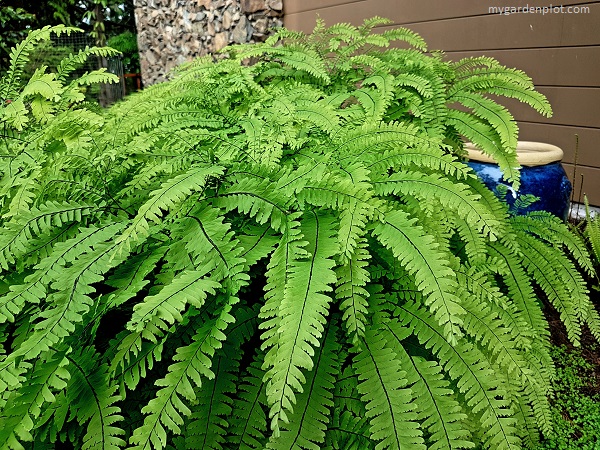
The Adiantum aleuticum, more commonly known as the western maidenhair fern or the five-finger maidenhair fern, is a beautiful Pacific Northwest native ornamental plant. This fern, along with hostas, reign in shady gardens. It is one of our favourite ferns. The graceful black stems and arching green leaves swaying with a gentle breeze is nothing short of total tranquillity. Its delicate form is not reflective of how reliable and long-lasting it is. How to plant, grow and care for a western maidenhair fern is effortless. If you have a shady location that keeps cool and moist, adding a western maidenhair fern would be a dependable perennial. Once established, you can rely on this Pacific Northwest fern to return every spring.
Adiantum aleuticum or Adiantum pedatum
The western maidenhair fern, or five-fingered maidenhair fern, is sometimes listed as an Adiantum pedatum. But that was how it was formerly recognized. It should be listed as Adiantum aleuticum. It is still muddled and sometimes referred to its old name because initially, the western maidenhair fern or five-fingered maidenhair fern, was previously thought to be a variation of A. pedatum, the northern maidenhair fern. A. aleuticum, the western maidenhair fern, is now documented as a separate fern species.
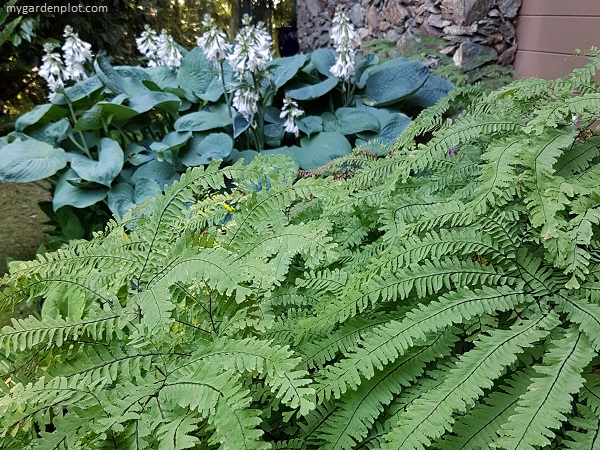
Western Maidenhair Fern And Hostas (photo by Rosana Brien / My Garden Plot)
Where to Plant and How to Grow Western Maidenhair Fern
The Pacific Northwest has the ideal environment for many ferns with cool and wet conditions. And the Western Maidenhair Fern is native to this region. For it to thrive in your garden, it needs to be planted in a shaded or light shaded location. Such as a sheltered and cool north-facing garden bed. Once established, it is a little more tolerant of a sunny spot if watered regularly.
It prefers moist, organic-rich, acidic soil – even to the point of flourishing in boggy landscapes.
The western maidenhair fern is generally problem-free, and rabbit and deer resistant.
Great Companion Plants for The Western Maidenhair Fern
The Western or Five-Finger Maidenhair Fern pairs perfectly with hostas and lily of the valley in a wooded area or along a stream’s edge. And it looks impressive grouped with candelabra primulas who also share a preference for moisture-retentive soil conditions in a partially shady location.
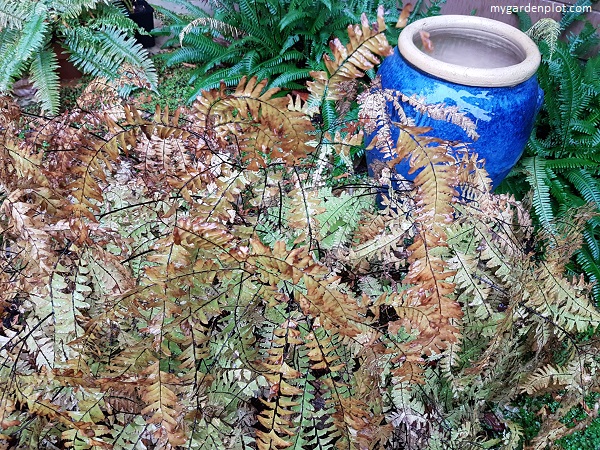
Western Maidenhair Fern (Five-Finger Maidenhair) In Late Autumn (photo by Rosana Brien / My Garden Plot)
Western Maidenhair Fern Winter Care and Early Spring Maintenance
In autumn, the western maidenhair fern will fade and die back. It will go dormant during the winter months and will return the following spring. Leave the dead fern stems and leaves over winter.
At the end of winter or early spring, spruce up the area by cutting back and removing all the old dead stems and leaves from your western maidenhair fern. Add organic-rich mulch early spring before it starts to emerge with a new growth season.
The western maidenhair fern or five-finger maidenhair fern is low maintenance, cold-hardy and long-lived. Once established and with just following these few plant care tips it reliably comes back year after year.
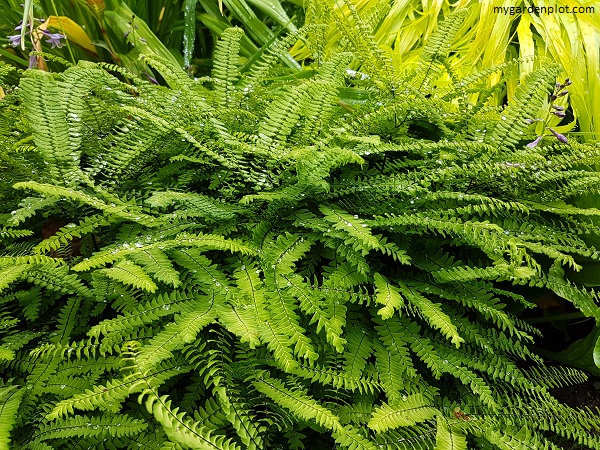
Western or Five-Fingered Maidenhair Fern Easy Care (photo by Rosana Brien / My Garden Plot)
Quick Care Summary
Ideal Conditions
Light: Bright, indirect light. Avoid direct sun, which burns the delicate fronds. North or east facing location.
Water: Consistently moist soil is critical. Water when the top inch of soil feels dry. Never let it dry out completely.
Like many websites we use cookies to ensure you get the best experience on My Garden Plot. If you continue to use this website we will assume that you are okay with it. Happy gardening!