Overview of Liriope muscari 'Isabella': Common Names: Dwarf Lilyturf, Border Grass
Growing Liriope muscari ‘Isabella’ is a fantastic choice for a low-maintenance, elegant ground cover or border plant. Here is a comprehensive guide on how to grow and care for it successfully.
Common names include Dwarf Lilyturf and Border Grass (though it’s not a true grass).
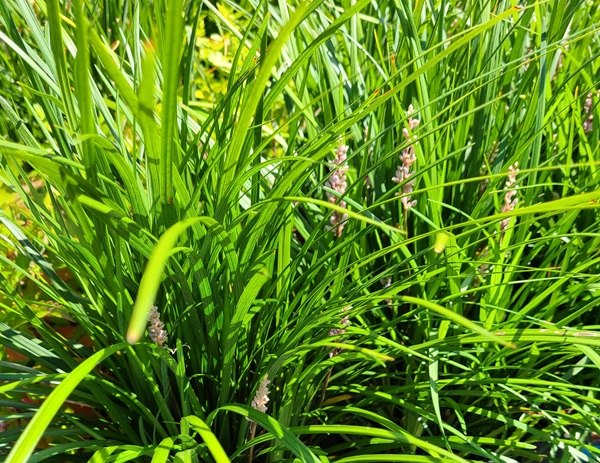
The Liriope muscari ‘Isabella’ variety is a selection known for its compact, dense habit and attractive foliage and flowers. It features dense, clump-forming, grass-like evergreen to semi-evergreen foliage (depending on climate). In late summer, it sends up spikes of tiny but lovely violet-purple (pink-like) flowers, followed by dark black berries. Excellent as an edging plant, lawn substitute, ground cover, in rock gardens, or for stabilizing slopes. It’s also deer and rabbit resistant. It is drought, heat and frost tolerant once established. Increasingly popular in mass plantings and water-wise garden beds. An alternative to Black Mondo Grass.
Liriope ‘Isabella’ is a true “plant it and forget it” perennial that will provide beautiful, grassy texture and late-season color for years with minimal effort.
'Isabella' Dwarf lilyturf at a Glance
Type: Perennial
Exposure: Full sun to full shade Size:12″H x 18″W (30cm H x 46cm W), flower height 16″ H (41cm H) Form: Clumping Water: Moderate-low, drought tolerant Hardiness Zones: 6-9 Season: Blooms August to September Soil: Well-drained loamy, sandyWhere To Plant And How To Grow 'Isabella' Dwarf Lilyturf
Planting Time and Location
When to Plant: The best times are in the early spring or early fall. This allows the plant to establish a strong root system before the extremes of summer heat or winter cold.
Light Requirements: ‘Isabella’ is incredibly versatile. Ideal location includes partial shade to full shade. Tolerates full sun in cooler climates. In hot climates, afternoon shade is beneficial to prevent leaf scorch.
Soil Preparation
Prefers well-draining soil. It is not fussy about pH and can thrive in a range from slightly acidic to slightly alkaline. While it can tolerate poor soils, amending the planting area with compost or well-rotted manure will give it a great start. This improves drainage and provides nutrients. Drainage is Key. It does not like to sit in constantly soggy, waterlogged soil, as this can lead to root rot.
Planting Process
Space plants approximately 12 to 15 inches (30-38 cm) apart. They will spread to form a solid, weed-suppressing mat over time. Dig a hole twice as wide as the root ball and just as deep. Place the plant in the hole so the crown (where the stems meet the roots) is level with or slightly above the soil surface. Avoid planting too deep. Backfill with the native soil, gently firming it down. Water thoroughly to settle the soil around the roots.
Watering
For new plants, keep the soil consistently moist (but not soggy) for the first growing season to ensure strong establishment.
Once established the Dwarf Lilyturf is remarkably drought-tolerant plant. Water deeply during prolonged periods of drought or extreme heat. The leaves may show signs of stress (wilting, browning tips) if they get too dry.
Fertilizing
‘Isabella’ Dwarf Lilyturf is not a heavy feeder. Recommend an application of a balanced, slow-release fertilizer (e.g., 10-10-10) or a top-dressing of compost in early spring as new growth emerges is sufficient. Avoid over-fertilizing, as this can lead to excessive, floppy growth.
'Isabella' (Dwarf Lilyturf) Pruning and Maintenance
This is the most important care step for a tidy appearance.
Best time to prune is late winter or very early spring, just before new growth begins. Pruning removed the the old foliage from the previous year which often looks tired, brown, or damaged after winter. Removing it makes way for fresh, new growth. You can deadhead the spent flower spikes after blooming for a neater look, but it’s not necessary. The berries can provide winter interest for birds. How to Prune: Option A (Easy): Use a string trimmer or lawn mower set to its highest setting to buzz back the foliage. This is very effective for large plantings. Option B (Precise): Use sharp hedge shears or hand pruners to cut the entire clump back to within 2-3 inches of the ground.Propagation
Dwarf Lilyturf is easily propagated by division, which is best done in early spring.
Dig up a mature, healthy clump. Use a sharp spade or knife to cut the clump into smaller sections, each with several healthy shoots and a good root system. Replant the divisions immediately at the same depth they were growing before, and water well.Common Problems and Solutions
Crown or Root Rot: Caused by poorly draining, soggy soil. Solution: Ensure good drainage and avoid overwatering.
Anthracnose and Leaf Spot: Fungal diseases that cause brown spots or streaks on leaves, often in overly wet conditions. Solution: Improve air circulation, avoid overhead watering, and remove badly affected foliage. In severe cases, a fungicide may be needed. Slugs and Snails: May occasionally nibble on the leaves. Solution: Use organic slug bait or traps if they become a problem.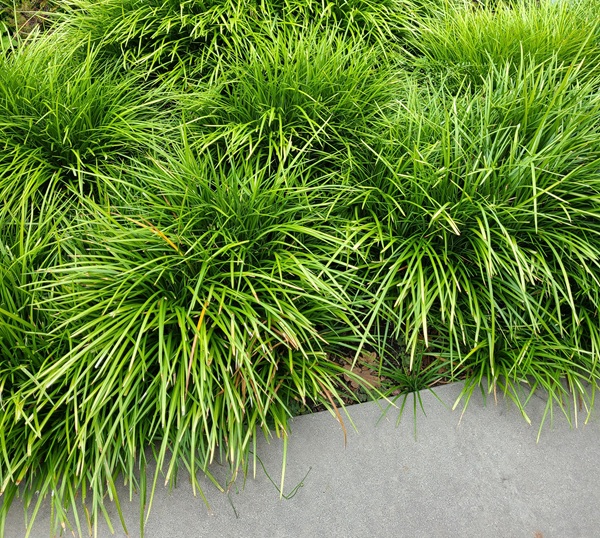
Summary of Key Care Tips for your Dwarf Lilyturf
Light: Partial to full shade is ideal; tolerates sun in cooler areas.
Soil: Well-draining soil is most important. Water: Water to establish, then it’s very drought-tolerant. Prune: The #1 task—cut back hard in late winter for fresh spring growth. Fertilize: Lightly in spring with compost or slow-release fertilizer.