What Is Anthracnose Disease?
Anthracnose is a general term for a group of seed-borne fungi (usually Collectotrichum or Gloeosporium fungi) that affect some species of trees, shrubs and vegetables, affecting leaves, flowers, stems, and fruit. Learning how to identify, control and treat anthracnose is important. So what is anthracnose, and how does it affect trees and shrubs? This fungal disease can cause wilting, dying of plant tissue, losing fruit, or killing the plant altogether. Have you found small purple spots that then become large brown blotches on flowers? Or do the spots start as little brown specks on fruit? Do these then become sunken circular dark brown/black spots resulting in shrivelled dried-out fruit? Then it is likely your plant has anthracnose disease.
Anthracnose disease can easily spread. Warm, humid weather conditions can create the perfect environment for plants getting anthracnose. And since the spores of these plant pathogens can overwinter, early detection is critical in preventing spread. Below are details how to identify and prevent anthracnose disease in your garden and vegetable beds.
The ‘dogwood anthracnose’ which is slightly different affects certain Cornus dogwood species, especially the Pacific Northwest native dogwood tree and the Eastern Flowering Dogwood. Our cool, rainy weather typical in our region creates the ideal conditions for infections in late spring and early summer.
Below you find information on:
- Dogwood anthracnose vs other anthracnose disease
- Symptoms and signs of anthracnose fungus
- How to control and prevent anthracnose
- Fungicide products to control this fungal problem
- Cornus dogwood anthracnose management
What Is 'Dogwood Anthracnose' vs Other 'Anthracnose Disease'?'
Cornus dogwood anthracnose is specific to dogwood trees. It was first detected in the northwest of the USA in 1976. And then later again in 1978, it was found in the northeast of the USA. This fungal disease also has spread to dogwood trees in Canada. The origin is unknown, and in 1991 the fungal disease was identified as Discula destructiva. It is considered an ‘introduced pathogen’ to North America. It is referred to as ‘dogwood anthracnose’ as it originally affected two N. America native trees – the Pacific Dogwood Cornus nuttallii and the Eastern Flowering Dogwood C. florida. Both of these dogwood species are particularly susceptible to the disease. See below for information on managing Cornus dogwood anthracnose disease.
Symptoms And Signs Of Anthracnose Fungus Disease
Anthracnose disease is generally characterized by dark, sunken lesions that often develop into dark blotches and rings.
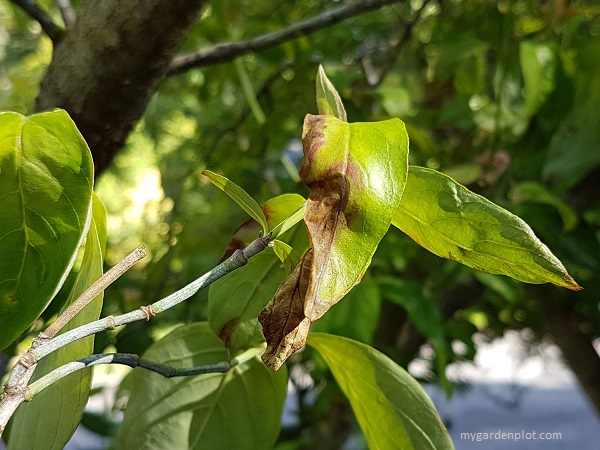
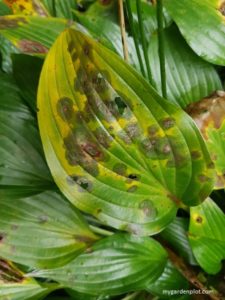
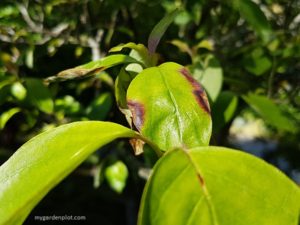
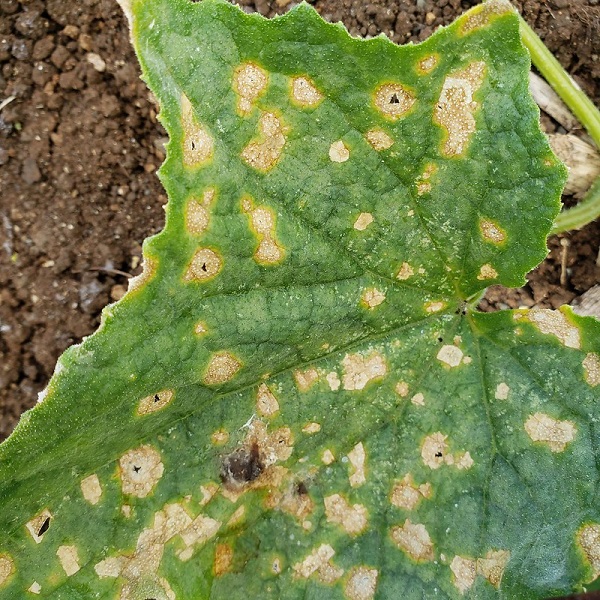
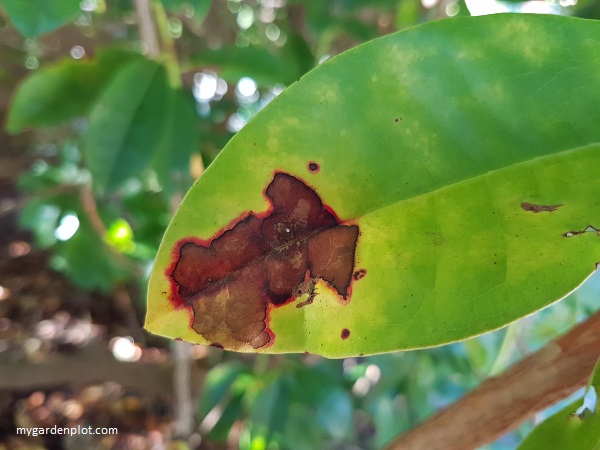
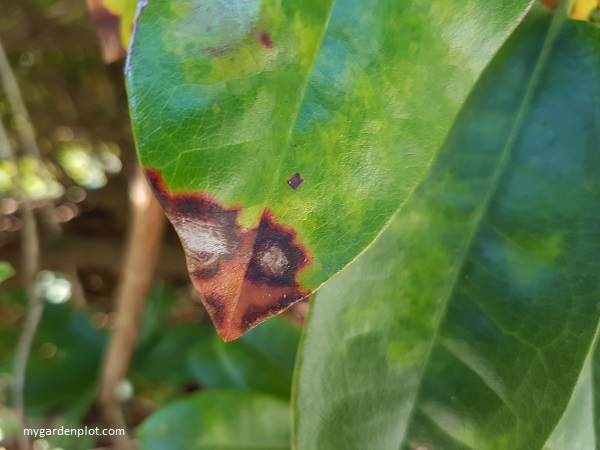
Leaves: Generally, anthracnose appears on leaves as small brown or yellow spots or blotches. The size of the spot is irregular and darkens with age. These spots eventually expand and cover the affected leaves. Leaves of some plants may also curl and fall prematurely. With dogwood anthracnose, these blotches are brown or tan-coloured in the centre with a reddish or a purple outer rim. The affected leaves are killed, but sometimes they remain on the stem after regular leaf fall. The ‘flower’ bracts of the dogwood can be affected too.
Trees: In addition to leaf damage, anthracnose can kill young twigs or whole branches, resulting in dieback. The disease causes cankers to form where the affected leaves are attached. This is especially the case with fruit trees and dogwood anthracnose, where young twigs or branches affected dieback. Dogwood anthracnose can also affect the main branches and the trunk. Repeated infections of the disease can form cankers at the base of dead stems or branches. These may appear as split bark. This may be lethal to young or stressed trees. Healthy mature dogwood trees can usually cope better.
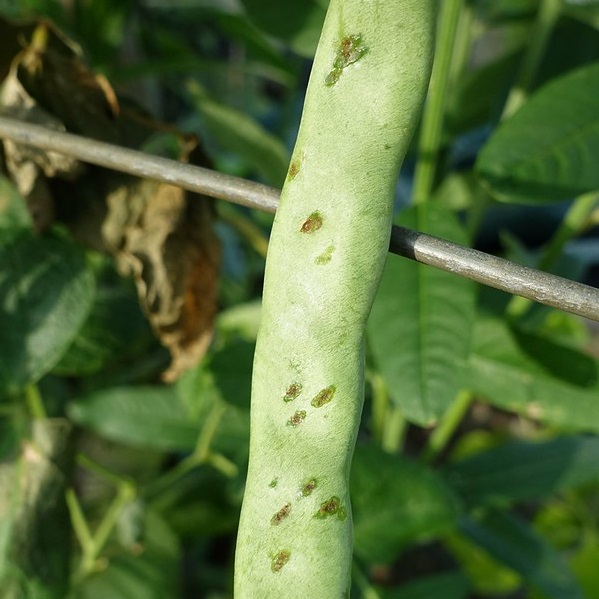
Vegetables & Fruits: Anthracnose can affect any part of the vegetable plant or fruit tree. Fruit and vegetable plants that are susceptible include blueberries, cucumbers, tomatoes, peppers, beans, apples, pears, and sweet corn. This may appear as sunken brown marks or blotches, or “water-soaked” spots on the fruit. This eventually spreads. Sometimes the leaves may also become pale with transparent spots that ultimately dry and die. In most cases, it is best to remove and destroy the diseased plant and grow new plants.
If in doubt, take a photo of the affected area and ask a specialist at your garden centre to verify the infection type.
RELATED TOPIC: How to Identify, Treat And Prevent Powdery Mildew On Plants
How To Control And Prevent Anthracnose Fungus Disease
The presence of abundant moisture is needed to propagate the disease. Anthracnose cannot thrive in dry environments. Moist, mild conditions favour the development of anthracnose. The fungal spores can also spread with overhead irrigation and splashing water from infected plants. A root level irrigation system is better. Overcrowding and lack of air circulation all aid in spreading the disease in a moisture-laden environment. While we cannot control the weather conditions, we can ensure we apply the best practices and encourage a healthy environment for the plant or tree.
Spores can remain dominant until the right conditions for development are presented with a stressed plant in a moisture-laden environment. With this in mind, keeping your plants healthy and understanding its requirements is the first course of action. Check the soil condition and ensure it is well-drained. Add mulch and compost as per your plant’s needs goes a long way to keeping your plant healthy. Ensure there is good air circulation by pruning or not planting too close together. Check fruit does not grow while touching the soil or wet surface. During drought periods, ensure your plant or tree is well watered.
With annual plants such as vegetables, once infected, remove and destroy promptly, and start again, preferably with a resistant species. Never use the seeds from an infected plant or compose any part of the affected plant. Crop rotation every two to three years is good gardening practice.
For trees, remove infected leaves and prune any deadwood and infected stems. In particular, especially with dogwood trees, remove young sprouting stems that could be susceptible to anthracnose. When pruning always sterilize tools between cuts to limit spread. Simply use inexpensive isopropyl alcohol to clean your pruning blades. And schedule the pruning job to be done on a dry day. Rake all infected fallen leaves and discard them. Do not add diseased plant matter to your compost.
If your environment is prone to wet conditions, consider using anthracnose-resistant plant and tree varieties.
Fungicide Products To Control Anthracnose
As a last resort to counter existing infections, preventative measures using fungicides such as dormant spray will help. Bordeaux mix and copper sprays may also help prevent future infestations. However, keep in mind that copper is toxic to earthworms. Repeated applications can build up, affecting the soil condition and killing earthworm. Fungicides are generally only partially effective, though. Prevention and control measures are both essential in countering this plant disease. Review alternative treatment options below.
Cornus Dogwood Anthracnose Management
The native Pacific Dogwood tree Cornus nuttallii and the Eastern Flowering Dogwood C. florida are particularly prone to dogwood anthracnose infection. The key to prevention is maintaining healthy trees which are well-sited. These are better able to cope with the disease. However, young or stressed dogwood trees, especially C. nuttallii and C. florida, will suffer and likely die if nothing is done.
Plant trees away from where it can be damaged by lawn mowers or power edge trimmers, which can open the bark to infection. Limited overhead irrigation which can spread the disease. It is better to water deeply at the root level, such as with drip irrigation systems. Adding mulch will help conserve moisture during hot summer months. Keep the mulch away from touching the trunk base. There should be proper air circulation to allow leaves to dry during rainy weather. Consider thinning any shrubs or trees next to your dogwood tree.
Once you have identified the sign of dogwood anthracnose, remove all the affected leaves and stems immediately. Check for injured branches that can create an entry for the fungus. Do not compost the leaves but destroy all items.
For any region with cool, wet spring conditions, it may be best to select disease-resistant dogwood tree varieties, such as the C. kousa, which is more dependable than many other dogwood species.
Summary of Anthracnose Treatment Strategies
The most effective approach is Integrated Pest Management (IPM), combining multiple methods.
1. Prevention is Key
This is the most important and effective line of defense.
- Choose Resistant Varieties: Whenever possible, select plant varieties bred for resistance to anthracnose. The most effective long-term solution.
- Proper Pruning: Prune trees and shrubs to improve air circulation, which helps leaves dry faster. Sterilize pruning tools (with 10% bleach solution or 70% isopropyl alcohol) between cuts and plants.
- Water Wisely: Water at the base of the plant, avoiding the leaves. Use soaker hoses or drip irrigation. Water in the morning so foliage dries quickly.
- Promote Plant Health: Healthy plants are better able to resist disease. Use proper fertilization and soil management.
- Maintain Cleanliness: Rake and destroy (do not compost) fallen leaves, fruit, and twigs from infected plants. The fungus overwinters in this debris. Removes the source of the fungus. Non-chemical.
2. Chemical & Organic Fungicides (For Active Infections)
Use fungicides as a protective measure or to suppress an active outbreak. They are most effective when applied before or at the very first sign of the disease.
(a) Organic/Biological Options:
- Horticultural Oil / Neem Oil: Has both fungicidal and insecticidal properties. Works best as a preventative. Also helps control pests.
- Bicarbonate Fungicides (e.g., Baking Soda Sprays): Potassium bicarbonate is more effective than sodium bicarbonate (baking soda). Alters the surface pH on the leaf, inhibiting fungal growth. Good for mild cases on ornamentals.
- Biological Fungicides (e.g., Bacillus subtilis, Trichoderma): These beneficial microorganisms compete with or directly attack the anthracnose fungus. A modern and effective organic solution. Safe for people, pets, and beneficial insects.
- Copper Fungicide: A broad-spectrum organic option. Effective as a protectant. Can be phytotoxic (harmful) to some plants, so test first. Can harm plants if misapplied.
(b) Synthetic Chemical Options (Use as a Last Resort):
- Chlorothalonil: A very common and broad-spectrum protectant fungicide. It prevents spores from germinating. Prevents new infections; does not cure.
- Propiconazole or Myclobutanil: Systemic fungicides that are absorbed by the plant and can stop an existing infection. More effective than protectants after symptoms appear. Can stop active infections; use sparingly. These fungicides are regulated in Canada. For further information on these fungicides check the Canada Pesticide Management Regulatory Agency or the BC Ministry of Agriculture and Food if you are in British Columbia.
Important: Always read and follow the entire label instructions on any product used.
Academic Articles on Anthracnose Disease
To read in-depth studies on anthracnose disease, see list of here.
Quick Reference Treatment Protocol: Step-by-Step
1. Identify: Confirm the disease is anthracnose (dark, sunken, often angular spots on leaves; cankers on stems).
2. Sanitate: Immediately remove and bag all visibly infected plant parts (leaves, branches, fruit) and fallen debris from the ground. Do not compost.
3. Prune: Thin out the canopy to improve air flow.
4. Apply Fungicide:
- For a mild case, start with an organic options like horticultural oil or a bicarbonate fungicide.
- For a severe infection, especially on trees, consider a systemic fungicide like propiconazole.
- Crucially: Apply fungicides according to the label directions. Ensure complete coverage of all leaf surfaces (top and bottom).
- Reapply as directed on the label (generally every 7-14 days) and after rain.
5. Adjust Care: Change watering habits to keep foliage dry.
Important Considerations
- Timing is Everything: Fungicides are preventatives. Once the leaves are heavily spotted, the damage cannot be reversed. The goal is to protect new growth.
- Tree Health: For large, established trees, anthracnose is often a cosmetic issue rather than a fatal one. The tree may lose leaves but will often releaf. Focus on reducing stress (water during drought).
- Fruit/Vegetable Crops: Be extra careful with pre-harvest intervals (PHI) listed on fungicide labels. You cannot harvest and eat until a certain number of days after the last application.
READ MORE: Pests And Plant Diseases