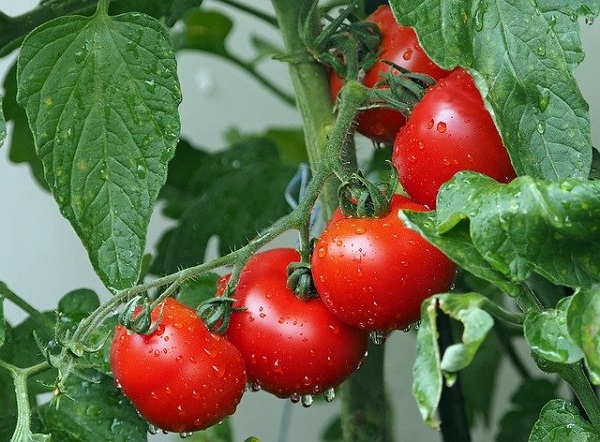
Warm-Season Vegetables: Tomatoes
Growing tomatoes is one of the most rewarding gardening activities. Here is a comprehensive guide, from seed to harvest, to help you grow delicious tomatoes.
Tomatoes are the go-to warm-season vegetable that many new gardeners grow first. It is easy, and the results of eating your homegrown tomatoes is very satisfying. How to grow tomatoes in your vegetable bed or in a container is easy with the following growing tips.
Whether you wish to grow from seed or buy a tomato plant in a pot all-ready with a tomato support frame is a choice based on your time and the space available. Here we will go over all the necessary steps to grow tomatoes from seed, or next steps when you have purchased a potted young plant from the garden centre. There are various tips for growing tomato plants to ensure you get the best harvest from your tomato plant.
Good luck and happy growing! There’s nothing quite like the taste of a sun-warmed tomato from your own garden.
Check out our tomato recipes at the bottom of the page!
Tomato Growing Cheat Sheet at a Glance
Sun: Full sun (at least 6-8 hours per day)
Soil: Well-draining, rich, slightly acidic soil (pH 6.2-6.8)
When to Plant: After all danger of frost has passed and soil is warm
Water: Deeply and consistently, 1-2 inches per week. Water at the base, not the leaves
Support: Use cages or stakes at planting time to avoid damaging roots later
Food: Fertilize at planting and when fruits form. Use a fertilizer lower in Nitrogen (N) and higher in Phosphorus (P) and Potassium (K)
Fruit Season: Summer (some varieties yield until first frost)
Planning and Timing
Determinate (bush): Grow to a fixed size, produce one large harvest, and then stop. Shorter growing seasons. Great for containers and small spaces.
Indeterminate (vining): Grow and produce fruit continuously throughout the season until killed by frost. Require strong staking, pruning and more space.
Tomato Varieties Quick Guide
Cherry (Indeterminate) Sun Gold, Sweet 100: great for snacking and salads
Slicing (Indeterminate) Beefsteak, Brandywine: delicious in sandwiches and burgers
Paste / Roma (Determinate) San Marzano, Roma: wonderful for sauces and canning
For Container growing (Determinate) Tiny Tim, Tumbling Tom: balconies, patios, small spaces
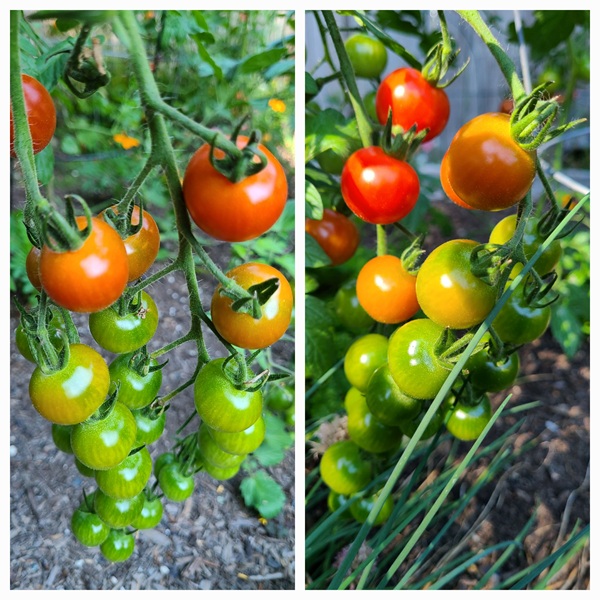
Where To Plant / How To Care For Your Tomato Plant
Site Selection: Choose the sunniest spot in your garden
Tomatoes are heat lovers and like sun, lots of sun. Whether you have a vegetable bed, patio or a balcony garden, the location must be sunny. Anything less than six hours of direct sun will not be to your plants’ best interest for a good harvest. So the location where you plant your tomato is very important.
Prepare the Soil: Work the soil to a depth of about 12 inches. Mix in generous amounts of compost or well-rotted manure. You can also add a balanced, slow-release organic fertilizer to the planting hole.
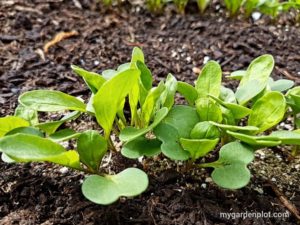
Growing tomatoes from seed is easy. Although some gardeners have used a heat mat, I find success with just using a heat lamp or warm sunny south-east facing window. The indoor temperature should be around 20C (70F) for germination. Plant the seeds in separate containers. Start the seeds indoors about a month to six weeks prior to planting outdoors, subject to your last spring frost. In our region, we can plant tomatoes outdoors by early June. Remember to harden your young tomato plants before planting in its final location in your garden.
Planting Seedlings Deeply: This is the #1 tomato pro tip! Pinch off the lower leaves and bury the stem horizontally or vertically so that only the top few sets of leaves are above ground. The buried stem will grow additional roots, creating a stronger, more resilient plant.
Spacing: Space plants 18-24 inches apart for determinate varieties and 24-36 inches for indeterminate varieties. Allow 3-4 feet between rows.
Add Support Immediately: Place a tomato cage or stake next to each plant at the time of planting. Doing it later can damage the roots. More below about supporting your tomato plants.
Hardening Off Young Tomato Plants
Hardening off young tomato plants is the process of climatizing from growing indoors to outdoors. Place them in a sheltered location outdoors during the day and bring them in a night for a week. The following week, once the night temperature is above 10C (50F), then start leaving them out overnight for about a week. This helps to harden off your young plants and get them ready for planting in the garden.
Planting Requirements And Tomato Cages
Tomatoes need rich, well-draining soil. When planting add compost to the soil and bone meal. Tomatoes need regular, even watering for the best results.
When planting the young tomato plants, pinch off the seedling leaves and lowest branches. Plant up to where these have been taken off as roots will begin growing from this point.
At this stage, place the tomato support cage or frame. This will help maintain and strengthen your plant as it grows. Tomato cages are relatively cheap and easy to get shopping online or from your garden store. But you can also make your own support too with regular staking using wood or bamboo, and twine.
Soil Warmth Tip
Watering And Fertilizing Tomato Plants
Tomatoes are heavy feeders and need a regular fertilizing schedule, especially once it starts producing fruit. Preference is a tomato organic fertilizer 5-10-10 as it has less nitrogen, which encourages leaf growth.
Watering: Consistency is Key. Water deeply 1-2 times a week to provide a total of 1-2 inches of water. Avoid frequent, shallow watering. Water at the Base: Keep water off the leaves to prevent fungal diseases. Soaker hoses or drip irrigation are ideal.
Mulch: Apply 2-3 inches of mulch (straw, wood chips, shredded leaves) around the base of the plants to retain moisture, suppress weeds, and keep soil from splashing onto the leaves.
Fertilizing: At Planting use a balanced fertilizer or one specifically for tomatoes. When fruit sets switch to a fertilizer lower in Nitrogen (which promotes leafy growth) and higher in Phosphorus (for roots and fruits) and Potassium (for overall health). Look for a ratio like 5-10-10 or use tomato-specific formulas. Avoid Over-fertilizing. Too much fertilizer, especially nitrogen, will give you a huge, beautiful plant with very few tomatoes.
Pruning And Trimming Your Tomato Plant
Tomato plants need some pruning to limit congestion, especially removing lower branches and leaves so they don’t touch the ground. This light pruning helps to keep airflow and reduce fungal disease, which can kill your tomato plant. Any sign of leaf or fruit disease should be removed. Also trim off the side shoots that start growing between the leaf stems and the main stems. Depending on the variety you have planted, pinch off the top of your plant to stop growing. This will help re-focus the energy on fruit production. Having said that, foliage provide shade during hot days for the developing fruits, so any light pruning should take this into account.
Key Pruning Tips (Mainly for Indeterminate Types):
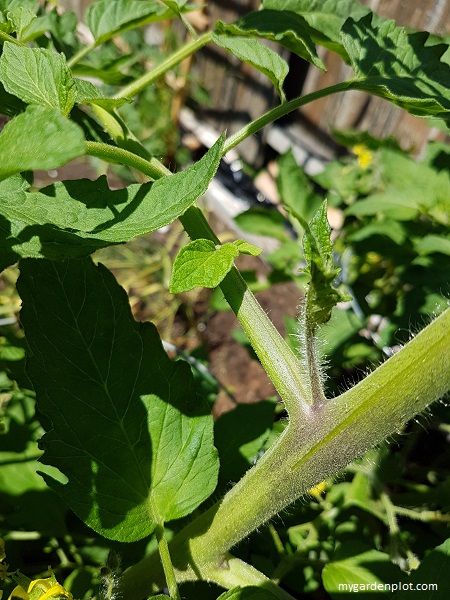
Suckers: These are the shoots that grow in the “V” between the main stem and a branch. Pinch them off when they are small (2-3 inches long) to encourage the plant to put energy into fruit production rather than foliage. Leaving a few suckers is fine, but excessive growth can create a jungle.
Bottom Leaves: As the plant grows, remove the yellowing leaves from the bottom 12 inches of the plant to improve air circulation and prevent soil-borne diseases from splashing up.
RELATED TOPIC: Buyer’s Guide On How To Choose Hand Pruners (Secateurs)
Troubleshooting Common Problems
Whenever possible it is recommended to grow resistant varieties. Check your plants daily to counter any problems early.
Pests: Your tomato plant will be a draw for many garden pests. Watch for aphids, tomato hornworms, and whiteflies. Handpick hornworms. A strong spray of water or insecticidal soap can handle most other pests.
Blossom End Rot: A dark, leathery spot on the bottom of the fruit. It’s caused by a calcium deficiency often triggered by irregular watering. The solution is consistent watering and ensuring your soil pH isn’t too acidic. Crushed eggshells in the planting hole can help as a preventive measure.
Cracking/Splitting: Caused by a sudden influx of water (a heavy rain) after a dry period. Consistent watering and mulch help prevent this.
Diseases (Blight, Wilts): Prevent with good practices: rotate crops yearly, provide good air circulation, water at the base, and choose disease-resistant varieties.
Harvesting Tomatoes
When to Pick: Harvest when the fruit is fully colored and firm but slightly soft to a gentle squeeze.
How to Pick: Gently twist the fruit until it snaps off, or use pruning shears/scissors to cut the stem.
End of Season: If frost threatens while you still have green tomatoes, you can pull the entire plant and hang it upside down in a cool, dark place to ripen. You can also pick individual green tomatoes and place them in a paper bag with a banana (the ethylene gas from the banana promotes ripening).
For best flavour leaving the tomato fruit to ripen on the plant as long as possible is always encouraged.
Meal Suggestions
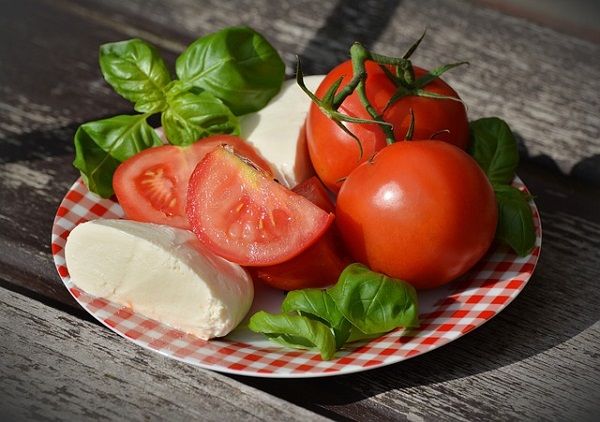
There are so many ways to serve and prepare tomatoes from served raw in salads, or simply with basil, mozzarella to making tomato-based sauces. While tomatoes feature largely with Italian and Spanish cooking, worldwide tomatoes have become a staple in the kitchen.
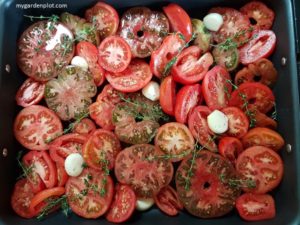
Tomato Recipes: