Deer Problems In The Garden, Deer Proofing Your Yard, And Deer Resistant Plants
This is a common concern for gardeners in areas with deer. Let’s break down what that means and why it’s not a 100% guarantee.
The term “deer resistant” is not “deer proof.”
We may love deer. We also don’t want them around eating our plants. In our neck of the woods, nothing draws a more mixed reaction than these wild animals. It all depends on our gardens. Deer are lovely creatures, and the fawns are adorable, but like many gardeners, they can be pests too. They can devour a garden bed in no time, eating foliage, flowers and stems.
Many garden centres in the Pacific Northwest will stock a selection of ‘deer resistant’ plants. But what does ‘deer resistant’ plants mean? It does not mean your plant is deer-proof. No, they are not deer proof plants. I have had hungry deer try just about anything, including deer resistant plants. And “Bambi” will nibble on plants until it figures out what tastes good.
If deer are a constant problem in your garden, invest in growing ‘deer resistant’ plants, and learn how to deer proof your garden naturally is the way to go.
A deer’s eating habits are influenced by several factors:
– Time of Year: In late fall and winter, when natural food sources are scarce, deer will eat plants they normally avoid.
– Local Deer Population Pressure: In areas with a very high deer population and limited food, deer will become less picky and may sample or even heavily browse your ‘deer resistant’ plant.
– Availability of Other Food: If your yard is an oasis in a food desert, your plants are at greater risk.
– Young Plants: Newly planted, tender young shrubs or new growth are more vulnerable than established, mature ones. You may need to protect them with repellents or fencing for the first year or two.
Deer Repellent Spray And Household Deterrents:
A deer repellent spray will help keep the deer away and manage this pest problem. Household deterrent ideas that have seen some success include a bar of soap, the strong fragrant deodorant kind. Or use old pantyhose and stuff with human hair or a stinky egg. With their keen sense of smell, they are likely to be repelled from trying your plants. It’s not an attractive garden look. But hey, if you’re at your wits end… Hanging small mirrors or old CDs will also frighten deer away from your garden.
Fence Your Garden:
Alternatively, invest in a tall fence. In our area, municipal fence bylaws are limited to a maximum height of 1.9 metres (6.2 ft). This height seems to work for us and is an effective deterrent in our garden. However, deer have been known to be able to jump this height when desperate or curious. Generally, a 2.4 metres (8 ft) fence would ensure deer are kept out of your garden.
Recommended Deer-Resistant Plants and Flowers:
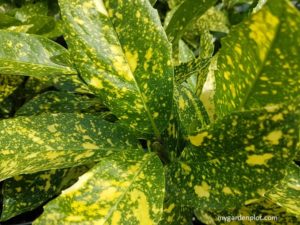
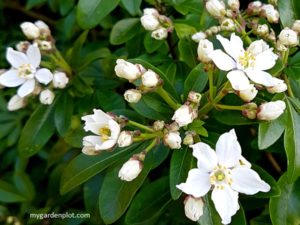
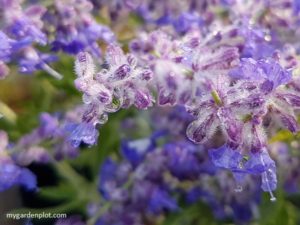
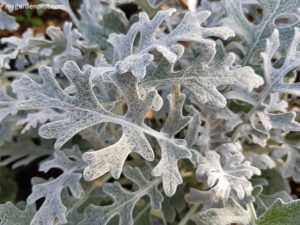
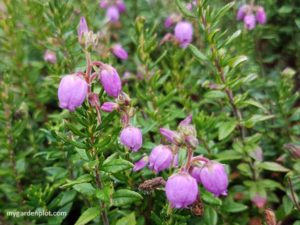
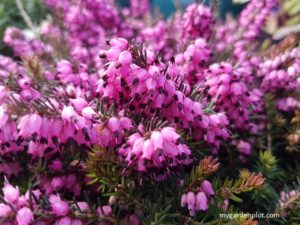
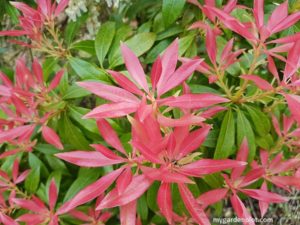
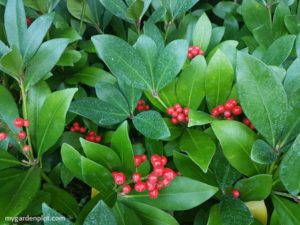
The following are the recommended deer-resistant plants and flowers that we have in our garden. But remember that fawns or hungry deer will sample almost all plants. But at least using deer-resistant plants, whether perennials or annuals, will aid in proofing your garden from being eaten down. Don’t forget to lightly spray new plants with deer repellant to deter the initial curiosity from deer – in my garden; they always seem interested in anything new we plant!