Overview of Pittosporum
Sometimes referred to as Kohuhu, the Pittosporum is generally straightforward, as they are tough, adaptable plant. This popular evergreen is prized in landscaping for their attractive, often variegated or silvery foliage, their dense, often rounded habit, and their frequently fragrant, honey-scented flowers in spring. It is an adaptable evergreen shrub or tree species native to Australia, New Zealand, and Japan. There are over 100 varieties.
Though the Pittosporum is only suitable for zones 8 through 11, planted in the right location, they are easy to grow and enjoyed for a long time in the garden. Pittosporum tenuifolium is excellent for winter beds adding seasonal interest. The hardiest are P. anomalum, P. crassifolium, P. dallii and, in particular, the popular P. tenuifolium. The P. eugenioides and P. tobira are better suited for warmer regions or grown in a conservatory or greenhouse. Below find information on where to plant and how to grow Pittosporum tenuifolium. In particular, how to care for the P. tenuifolium ‘Gold Star,’ ‘Golf Ball’ and ‘Tom Thumb’ shrubs.
Generally, most Pittosporums tenuifolium varieties are suitable for Pacific Northwest coastal gardens and benefit from being planted in a sheltered site. Some can grow to 10 metres (30 feet) tall. Dwarf or smaller varieties can also be used in container gardening. Though grown for its evergreen foliage, it does produce tiny flowers in spring, various varieties of which are fragrant. Some P. tenuifolium varieties can also be used for topiary. Following are recommended Pittosporum for your garden whether for spring, summer, autumn or winter.
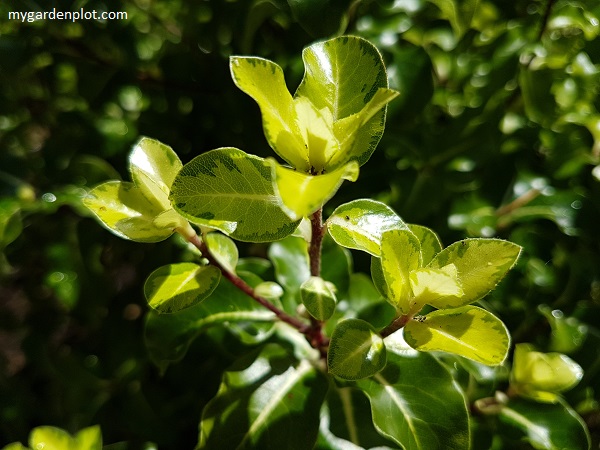
Pittosporum tenuifolium ‘Gold Star’
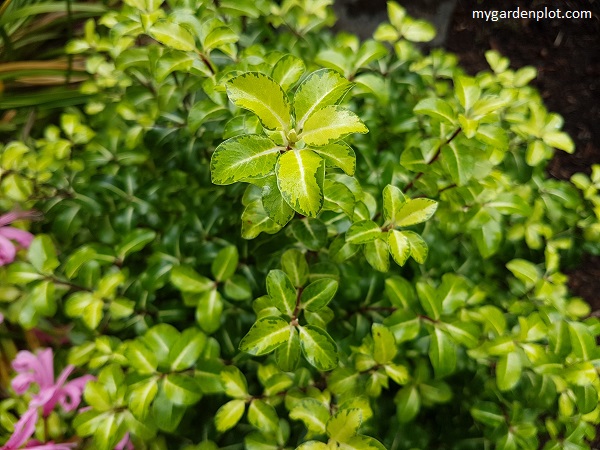
The Pittosporum tenuifolium ‘Gold Star’ shrub is one of my favourites. It is a tall and compact evergreen with beautiful variegated light green foliage and central yellow colour. The Gold Star leaves have a refreshing appeal, especially in the bleak of winter. It needs a well sheltered location, such as planted near an entrance wall in a south-facing garden bed. It can grow to 1.8 metres (6 feet) with a spread of about 90 cm (36 inches).
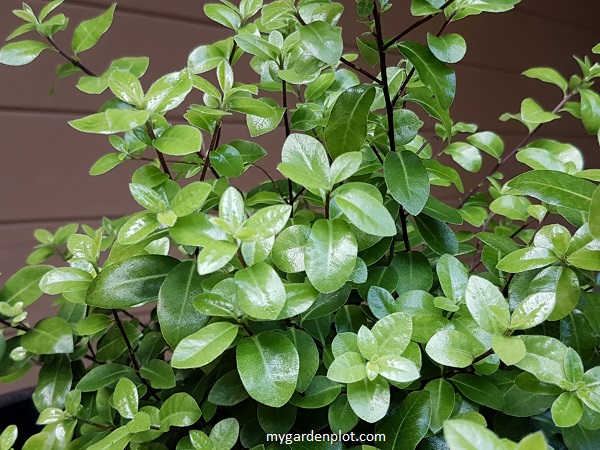
Pittosporum tenuifolium ‘Golf Ball’
The Pittosporum tenuifolium ‘Golf Ball’ is smaller than the ‘Gold Star’. As its name implies, the ‘Golf Ball’ has an attractive natural round growth habit. With some light pruning the Golf Ball can lend itself to a perfect round topiary sculpture. The Golf Ball is also suitable for container gardening. Its dark stems and light green foliage offer a contrast that looks incredibly handsome on its own planted in a pot at the entrance. It can grow to a height and equal spread of 1.2 metres (4 feet). The tiny brownish-purple flowers appear in spring.
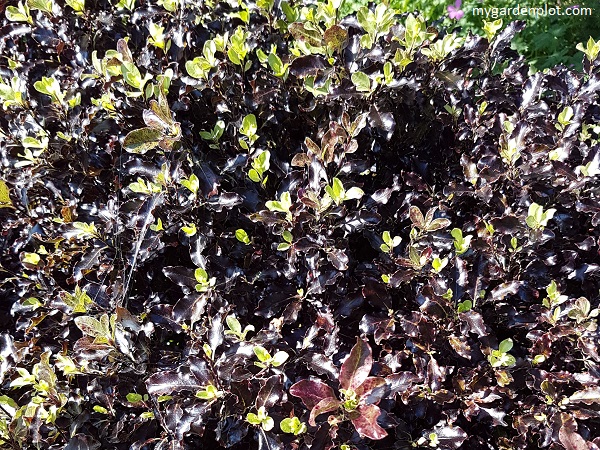
Pittosporum tenuifolium ‘Tom Thumb’
The hardy Pittosporum tenuifolium ‘Tom Thumb’ is rather unusual yet interesting with its dark purple foliage. The young leaves start green and later turn dark purple through winter. It is a small shrub reaching about 1 metre (3 feet) with a rounded growth habit. Great planted as a back drop in a perennial garden bed.
Pittosporum tenuifolium At A Glance
Type: Evergreen shrub or small tree
Location: Full sun (South or West-facing) – can tolerate some shade
Seasonal Interest: Year-Round
Water: Regular when young; drought-tolerant once established
Feeding: Balanced fertilizer in spring
Best time to prune: If required, late winter/early spring (see details below), regularly for hedges
Size: Varies from 1.2 metres (4 feet) to 1.8 metres (6 feet) – some varieties can grow to 10 metres (30 feet) tall
Plant Hardiness Zones: 8 – 11, varies by species for instance P. tenuifolium is generally hardy to around -5°C to -10°C (23°F to 14°F)
Where To Plant And How To Care For Pittosporum tenuifolium
The Pittosporum tenuifolium ‘Gold Star’, ‘Golf Ball’ and ‘Tom Thumb’ are low maintenance shrubs. In zones 8 or 9, plant in a sheltered site protected from winds, for instance near a wall. It prefers a sunny location. They can tolerate a semi-shady site and most soil types but thrives in fertile, moist, well-drained soils.
New plants should be planted in spring or autumn. Add bone meal when planting it to help it establish. Water deeply and keep moist for its first year or if planted in a container. They are adaptable to a wide range of soil types, including clay, loam, and sand, as long as they drain well. They tolerate a range from slightly acidic to slightly alkaline.
The Golden Rule: Well-draining soil. Pittosporums hate having “wet feet” and are susceptible to root rot in waterlogged conditions.
For winter protection and to protect from frost, add dry mulch around the soil level to shield the base from extreme winter weather fluctuations. They prefer a spot sheltered from strong, cold, drying winds, which can scorch the foliage. If heavy snow is expected, a plant cover can save any bent and mishapened stems. If planted in a container, move to a sheltered location such as under the overhang of the roof. This location during a wet winter will provide shelter from becoming waterlogged in the container.
Planting Step-By-Step
- Dig a hole 2-3 times wider than the root ball, but no deeper.
- If the soil is poor, mix some compost or well-rotted manure with the native soil.
- Gently remove the plant from its container and tease out the roots if they are pot-bound.
- Place the plant in the hole, ensuring the top of the root ball is level with or slightly above the surrounding soil.
- Backfill with the soil mixture and firm it down gently.
- Water thoroughly to settle the soil and eliminate air pockets.
Ongoing Care and Maintenance
Watering: For new plants, water deeply and regularly for the first growing season to establish roots. A soaker hose is ideal. Established Plants are quite drought-tolerant. Water during prolonged dry spells. The key is deep, infrequent watering rather than frequent shallow sprinklings.
Fertilizing: Feed in early spring with a balanced, slow-release shrub fertilizer or a layer of compost around the base (keep it away from the main stem). A second, lighter feeding in mid-summer can be beneficial for vigorous growth.
Mulching: Apply a 2-3 inch (5-7 cm) layer of organic mulch around the base of the plant. This benefits with retains moisture during hot weather, suppresses weeds, and insulates roots from temperature extremes. Keep the mulch a few inches away from the trunk.
RELATED TOPIC: Buyer’s Guide On How To Choose Hand Pruners (Secateurs)
How To Prune and Shape Pittosporum
Extensive pruning is not generally needed though a little light annual pruning can help keep its form. Pittosporums respond very well to pruning and shaping. Check for any winter damage damaged stems and remove late winter or early spring. To keep this shrub compact or if forming a hedge or topiary, cut it back in late spring.
Pruning Overview
- When to Prune: The best time is in late winter or early spring, just before new growth begins. You can also do light trimming after the main spring flowering flush.
- Hedge Pruning: For a formal hedge, prune at least twice during the growing season. Always make sure the top of the hedge is slightly narrower than the bottom so sunlight can reach the lower branches.
- Renovation Pruning: Old, overgrown Pittosporums can be rejuvenated. They can often handle hard pruning into old wood in spring. Cut back stems by one-third to one-half. It may look drastic, but new growth should appear. Not all species respond equally, so check the specific variety’s tolerance.
RELATED TOPIC: Buyer’s Guide On How To Choose A Pruning Saw
Pests, Diseases and Problems Affecting Pittosporum
Pittosporum shrubs are generally trouble-free, though aphids can occasionally affect them, and a few issues can occur. It is also usually deer resistant, though a more accurate answer is that it is deer tolerant. If deer are hungry, they will take a nibble of the younger leaves. If you have lots of deer in the area, spray some deer repellent every now and then. I find it helps remind them to keep clear.
Problems, Symptoms and Solutions:
- Root Rot: Yellowing leaves, wilting, poor growth, often in waterlogged soil. Prevention is key. Ensure good drainage. There is no cure; often the plant must be removed.
- Powdery Mildew: White, powdery coating on leaves. Improve air circulation. Avoid overhead watering. Treat with a fungicide if severe.
- Aphids/Scale Insects: Sticky residue (honeydew) on leaves, distorted growth. Blast off with a strong jet of water. Use horticultural oil or insecticidal soap.
- Leaf Spot: Brown or black spots on leaves. Remove and destroy affected leaves. Avoid wetting foliage when watering.
- Cold Damage: Brown, scorched leaves, particularly on young plants or non-hardy varieties. Plant in a sheltered location. Protect young plants with horticultural fleece in winter.
Why Pittosporum is Deer Resistant?
Deer tend to avoid plants with certain characteristics, and Pittosporum has several of them:
Leathery, Tough Leaves: The leaves are often thick, glossy, and robust, which deer find less palatable than tender, soft foliage.
Strong Scent: When crushed, the leaves of many Pittosporum varieties release a strong, resinous, or pungent aroma. Deer rely heavily on their sense of smell to locate food and often interpret strong scents as a warning or simply find them unappetizing.
Because of these traits, Pittosporum is rarely at the top of a deer’s menu. It’s a much safer bet than classic deer favorites like hostas, daylilies, or roses.
Recommendations for Planting Pittosporum in Deer Country
Use it as a Foundation: Pittosporum is an excellent choice for a landscape that needs to be somewhat deer-resistant. It’s a reliable backbone plant.
Protect Young Plants: Use a commercial deer repellent spray (like Liquid Fence or Plantskydd) regularly on new plantings, especially during the first few seasons.
Combine with Other Resistant Plants: Don’t create a “buffet line” of deer favorites. Plant your Pittosporum alongside other known deer-resistant plants like:
- Shrubs: Boxwood, Rosemary, Lavender, Butterfly Bush (Buddleia), Juniper
- Perennials: Salvia, Catmint (Nepeta), Coreopsis, Russian Sage, Ornamental Grasses
Propagation
The easiest way to propagate Pittosporum is from semi-ripe cuttings.
- In late summer, take a 4-6 inch (10-15 cm) cutting from healthy, current season’s growth.
- Remove the leaves from the lower half of the cutting.
- (Optional) Dip the cut end in rooting hormone powder to encourage roots.
- Insert the cutting into a pot filled with a well-draining mix (e.g., 50% perlite and 50% compost).
- Water lightly, cover the pot with a clear plastic bag to maintain humidity, and place it in a warm, bright spot out of direct sun.
- Roots should develop in 6-12 weeks. Once new growth appears, you can transplant it.
Summary of Common Types
- Pittosporum tenuifolium: The most common type, with small, wavy-edged leaves on black stems. Many cultivars like ‘Silver Queen’, ‘Tom Thumb’, and ‘Golf Ball’.
- Pittosporum tobira: Known as Japanese Mock Orange, with larger, leathery leaves and highly fragrant orange-blossom-scented flowers.
- Pittosporum eugenioides: (Lemonwood) Has larger, lemon-scented leaves.
Popular Deer-Resistant Pittosporum Varieties
Most varieties share the same deer-resistant traits. Some of the most common include:
- Pittosporum tobira (Japanese Mock Orange): The classic, with creamy white, fragrant flowers.
- Pittosporum tenuifolium (Kohuhu): A popular choice with small, wavy leaves and dark stems. Varieties like ‘Silver Sheen’ and ‘Golf Ball’ are widely used.
- Pittosporum crassifolium (Karo): Known for its very tough, leathery leaves.
In summary: You can confidently plant Pittosporum in landscapes with a moderate deer presence. It is one of the better choices for resistance. However, if you have a severe, chronic deer problem, you should still be vigilant, protect new plants, and understand that no plant is ever completely safe.